


Blog
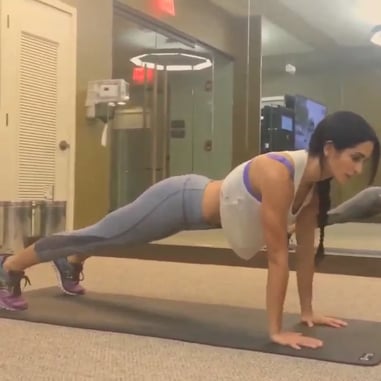
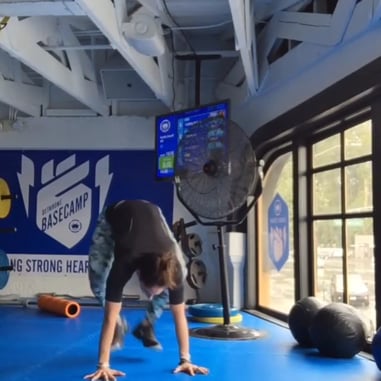
Push-ups, exercises with dumbbells, planks, and handstands - all these exercises require strong and flexible wrists and today we will tell you how to develop wrist strength and do exercises without pain and discomfort.
Gymnastics, climbing, crossfit, various martial arts - all these sports require strong wrists. In fact, wrist strength should be developed along with flexibility. This will help you cope with exercises that not only require good grip but also joint mobility. In addition to that, these muscles will allow you to train without pain or injury if you are learning to do a handstand or other challenging elements.
Exercises for the wrists are also useful for people who are not fond of sports. Warming up and stretching these muscles can help avoid tunnel syndrome, which is a compression of the median nerve between the bones and tendons. Warming up will help relieve muscle tension.
Exercises for Wrist Muscles
As you can see, working on your wrists is extremely important for both your health and the ability to do other exercises, which is why you have to know how to correctly develop these muscles. So let’s take a look at some wrist strengthening exercises.
Raising from Wrists to Fists
Sit on the floor with your legs bent under you. Place your hands on the floor on the back of your hand, fingers facing each other. With the strength of your wrists, try to move your hands and make fists. If this works out easily and without pain, transfer your weight to your hands and try again. Reduce the load if pain occurs. Repeat 15 times.
Dumbbell Rows
Place your forearms on a platform. Turn your wrists so that your palms are facing the ceiling. Take the dumbbell with your fingers and start lifting it with the power of your wrist. Start with small weights and gradually increase the load. Perform three sets of 8-10 reps.
Reverse Grip Body Bar Lift
You will need a body bar for this exercise. Unlike the barbell, it is lighter so you can practice without overexertion and pain. Grasp the body bar with a reverse grip, bend your elbows at a 90-degree angle. Open and tilt your palms slightly so that the body bar rolls onto your bent fingers. At the extreme point, the angle at the wrist should be 90 degrees. With the power of your wrist, lift the body bar back up. Perform four sets of 8-10 times.
Holding Dumbbells
Grasp the top of the dumbbells with your fingers. Hold as much as you can - 30 seconds or longer.
Hand Rotation with Dumbbells
Take dumbbells in both hands, bend your elbows at a 90-degree angle. In the starting position, the back of your hands should look up. Flip your hands over so that your fingers are on top, and then return to the starting position. Turning back and forth counts in one go. Perform four sets of 8-10 times.
Wrist Stretching
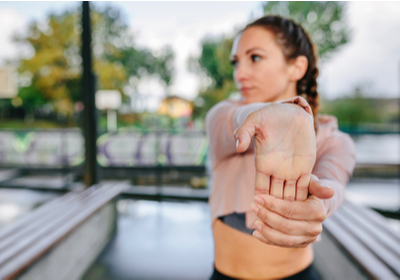
Sit on your knees, place your palms in front of you, fingers towards you. Pull your torso back, increasing the angle at the wrist. Hold at the extreme point for 3-5 seconds, come back and repeat. Do it 5-10 times.
Wrapping Up
Wrists might seem like insignificant parts of the body, however, you need to develop these muscles to be able to do many exercises. So if you want to improve your wrist muscles, make sure to do these simple workouts and you’ll quickly see the results.
Read more
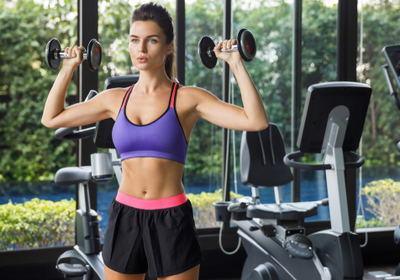
A lot of people want to know how to build shoulders at home without dumbbells and other sports equipment at hand. Everything is very simple. Building the muscles of the shoulders, and especially the deltas are easily done with pull-ups and push-ups, which will help to get the shape of your dream.
Workouts for Building Shoulders
Push-upsFor the most part, this exercise will work with the pectoral muscles, but the shoulders will also be involved. A narrow position of the hands will involve the triceps and the middle delta in the work, and if you put your arms wider, then in addition to the middle part, you can also use the front delt muscles. In order to maximize the use of the muscles of the shoulders in the exercise, try to do push-ups a little higher, so that only the deltas work.
One-hand push-upsThis exercise is good for toning the shoulder girdle. It is important to take into account one point: the wider the legs are, the easier it is to perform the exercise, but the less the pressure on the muscles. So choose the best position for yourself.
Dumbbell ShrugsThis exercise is perfect for the shoulders muscles as well as the trapezius muscle. And your posture after doing this exercise regularly will be improved! Stand up keeping your body straight. Hands with dumbbells are lowered. Lift dumbbells, not with your hands, try to include only the shoulders muscles during it, lifting your shoulders as high as possible.
Sideways dumbbellsAlthough the exercise is basic, it is more suitable for athletes with a more advanced level. Doing dumbbells or swinging them is supposed to improve the work of the shoulders. So first of all, you need to stand up slightly leaning forward. In the initial position, the dumbbells are at the bottom. Let’s take a breath and spread them apart, trying to raise them as much as possible. When you get them at shoulder level, pause and gently lower your arms.
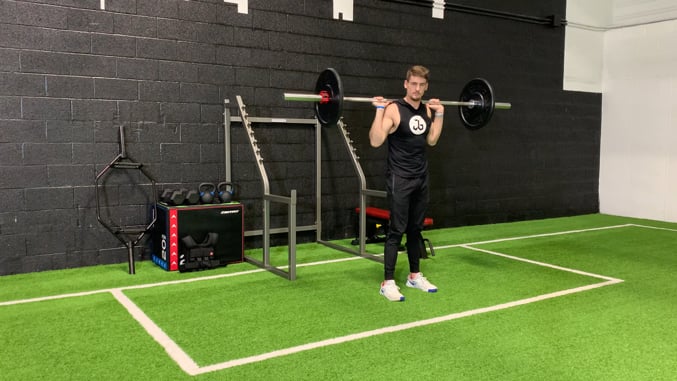
Barbell pressIt’s the most effective exercise for building up your shoulders. It is also called a standing barbell press. It is easy to do, firstly you need to put your feet shoulder-width apart, take the barbell with a straight grip and raise it to the chest. After that, you need to exhale and raise the barbell up. After that, you need to stay in this position for a second and slowly lower the barbell to the starting position, while inhaling deeply.
Wrapping Up
In order to quickly build perfect shoulders, you need a nice set of exercises, with which you will achieve maximum results. You can't just exhaust them with working hours in a gym. Follow the advice we gave you and you will get great results as soon as possible.
Read more
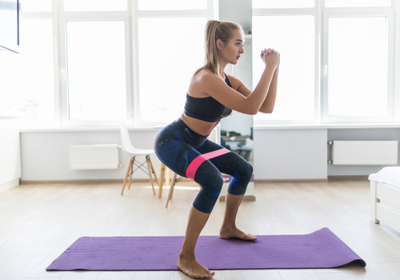
Everyone wants to have beautiful hips. Unfortunately, it's not that easy to keep it in a nice shape. We have some exercises that will definitely help you work your hips out.
Best Workouts for Hips
Beautiful hips require some effort, so let’s take a look at some exercises for hips.
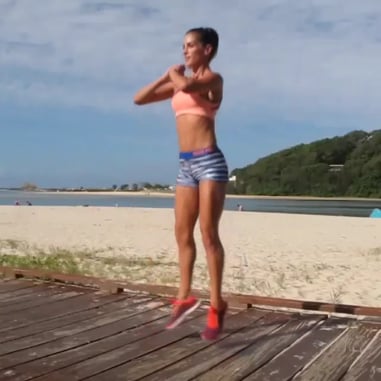
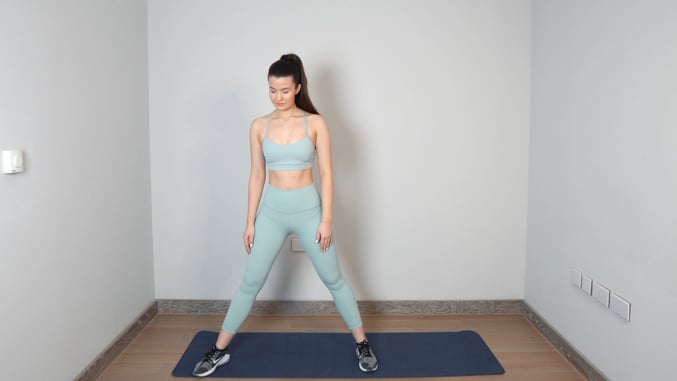
CrossingsThis deep inner thigh stretch will improve your hips and give you a boost of energy. Spread your legs wide with your feet facing outward. Bend your knees and lower yourself into a squat. Put your hands on your hips just above the knees, deepening the squat and stretching even more. Jump up and place your right foot in front of your left one, while landing, you should straighten and cross your legs. Return to the starting position and repeat the exercise with the other leg. Repeat the exercise, alternating legs, as many times as you can, for at least 40 seconds.
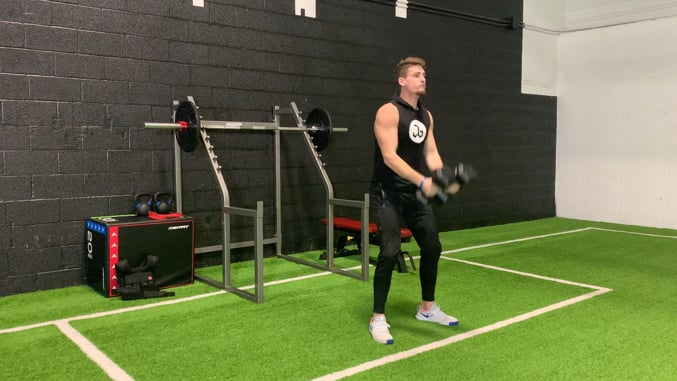
Knee squatsSquats with knees together are much better than regular squats for strengthening the inner thighs, quads, and hamstring. And in order not to waste your time, you can work on your hands at the same time. Stand up straight with your feet together. Take dumbbells, bend your elbows and touch the shoulders with the dumbbells. Do a squat with your knees bent and your hips back as if you were about to sit in a chair. Keep your legs together during the entire exercise. The weight should be on your heels. Now stretch your arms up. Return to the starting position without putting your weight on your toes. Do 10 reps.
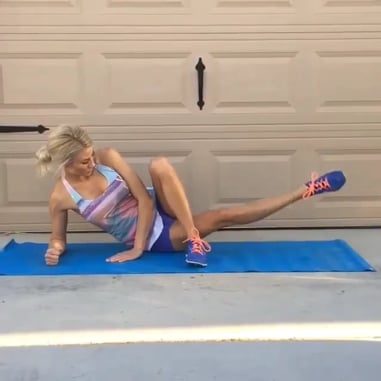
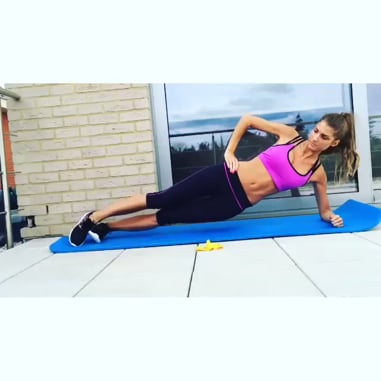
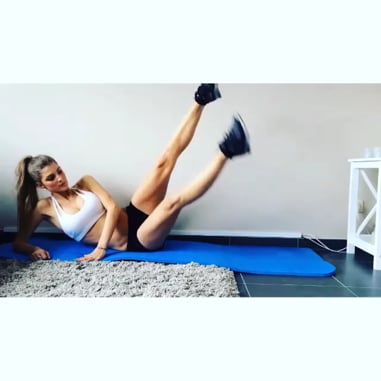
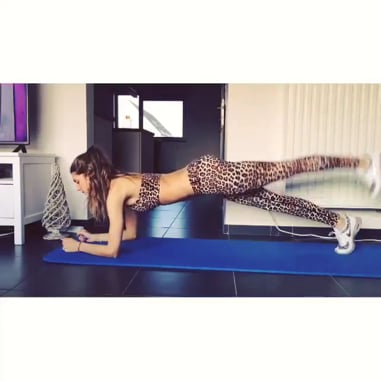
Elbow plank with raising legsAdd leg raises to your regular elbow plank to improve the hips. Lie on your side, bend your right arm at the elbow and lean on it. Extend your legs so that your body becomes one straight line. Try to rest only on the outer edge of your right foot. Place your left hand on your thigh. Feel your spine stretch and your abs tighten, then lift your left leg just above your hip. Slowly lower it back down. Do not bend at the waist or lean on your shoulder, keep your weight on your elbow. Do about 15 reps for both sides.
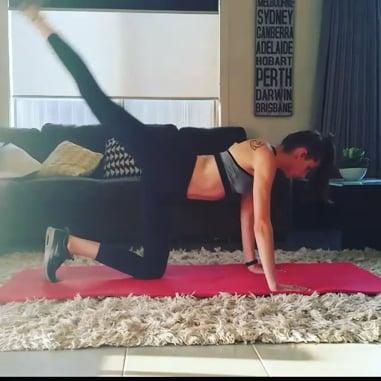
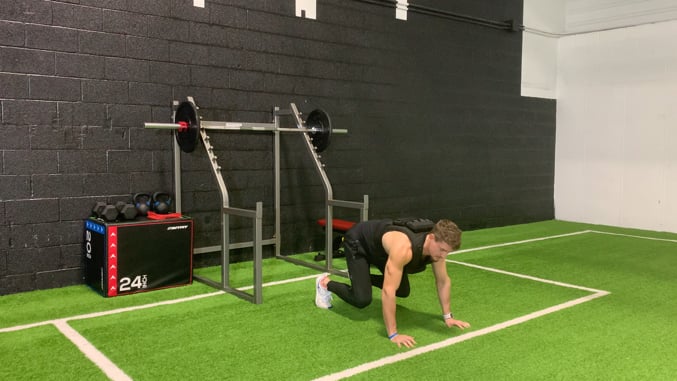
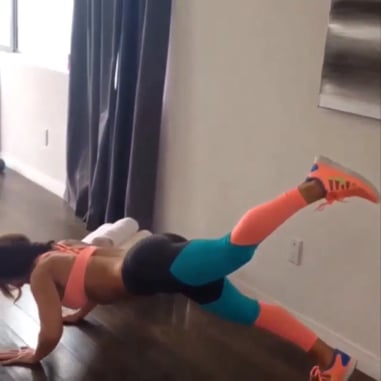
Swings with bent legsThis is one of the most popular exercises for strengthening the buttocks and hips. It is suitable for everyone, does not require additional equipment, and does not involve the spine. With the help of swings, the back, front, outer and inner thighs are worked out - combo. Start in plank, palms - under the shoulders, knees - under the pelvis, keep the position of the back. On the exhale, we swing our leg, pushing the heel up; we perform 20 repetitions on each leg and four sets total.
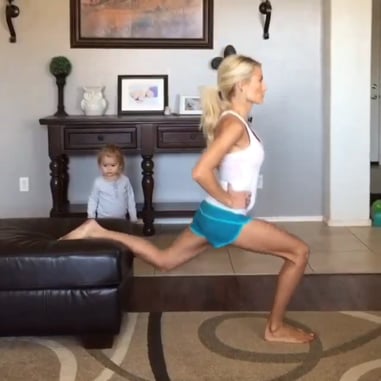
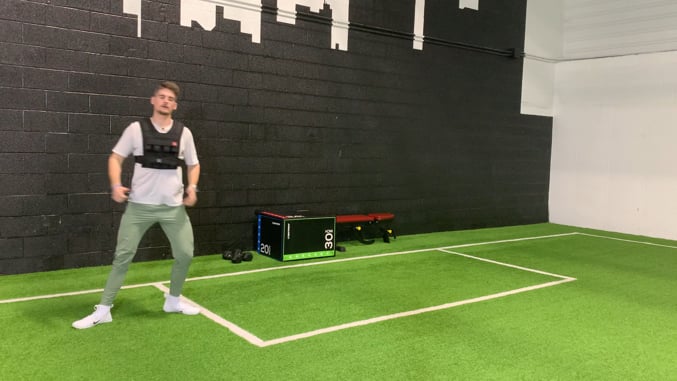
Side lungesIf you are doing this exercise for the first time, you will not need dumbbells - first master the movements of the legs. Take a dumbbell in your right hand, lunge to the left, lowering your right hand to your right leg. Lower your hips as low as possible, resting on your heels. The toes are facing forward, the angle of the bent leg is 90 degrees. Pushing off with your left foot, go into a courtesy pose: the left leg goes back, and the right one goes forward. Raise your arm with the weight up. Both legs face forward. Keep your hips and legs taut. Repeat without returning to the starting position, but immediately moving from a squat to a side lunge. Do three sets of 10 reps, then switch sides.
Final Word
Beautiful hips are a reality if you know what to do, so why don’t you give these exercises a try and see everything yourself?
Read more
Every athlete gets injured sooner or later, especially runners, and most injuries are in the ankle joint, inner and outer parts of the foot, etc. What can be the reason? Too much training, weights, and the distance you actually run. It can be too difficult for feet because all our lives we walk in footwear, most people live a “lazy lifestyle”, which is why ankles and feet do not properly develop. So if one day you just start to run many kilometers the muscles of the foot will be overloaded - this leads to various injuries and inflammations.
Exercises for Strengthening Feet
Obviously, in order to be able to do any exercises safely and without any consequences for your health, you have to train your feet. So let us take a brief look at some of the exercises for these muscles.
Warm-upsSit down, concentrating on your toes. Raise your thumb up. At the same time, press the remaining 4 fingers to the floor. Hold this position for 5 seconds. Now press your thumb and lift the other 4 fingers up. Hold for 5 seconds. Repeat 10 times for each leg.
A knotTake a rope of medium thickness, about a meter long. Place the rope on the floor and sit on a chair in front of the rope. Pinch both ends of the rope with your toes. Try tying a knot. Do the exercise for 5 minutes. Attention: this is quite a difficult exercise.
Feet writingPut a piece of paper on the floor. Sit in a chair and place one foot on a piece of paper. Grasp the handle with your thumb and forefinger. Try to write any word, for example, 'Mom'. Do the exercise for at least 3-5 minutes. Attention: this exercise is quite difficult! Do this exercise for 3-4 minutes.
RollingSit in a chair. Keep your back straight. Place a tennis ball under your foot. Roll the ball back and forth. Don't forget your back. Do not relax and keep it even. Do this exercise for 2-3 minutes. Repeat with the opposite leg.
TowelSit in a chair and place a towel under your leg. Grab the towel with your toes. The heels should be flat on the floor. Bend and unbend your fingers as you slowly pull the towel towards you. Change legs and repeat the exercise. Do 2 sets of 10 reps. You can do more If you want.
Toes upYou can do this exercise anywhere, even in the office while you work at your desk. Sit with your feet flat on the floor. Raise your toes so that your foot arches. Slowly lower your toes while maintaining arch, so you can feel the tension in the arch of your foot. Hold this position for 5 seconds and then relax your feet. Do 5 reps for each leg.
Wrapping Up
Strong feet will enable you to safely do plenty of exercises, so do not underestimate feet workouts and do them at least a couple of times a week.
Read more
The hamstrings are often underestimated. Usually, training focuses on the quads and calves, but the hamstrings seem to be less important. However, it should be remembered that neglecting any muscle has aesthetic and health consequences that you can avoid by working with it well. The reason you shouldn't forget about these muscles isn't just because of the symmetry and the look of your body. A weak hamstring is one of the most common causes of injuries most professional athletes have.
Best Workouts for Hamstrings
The best way to strengthen your hamstrings is, of course, exercising. So let’s talk about these workouts.
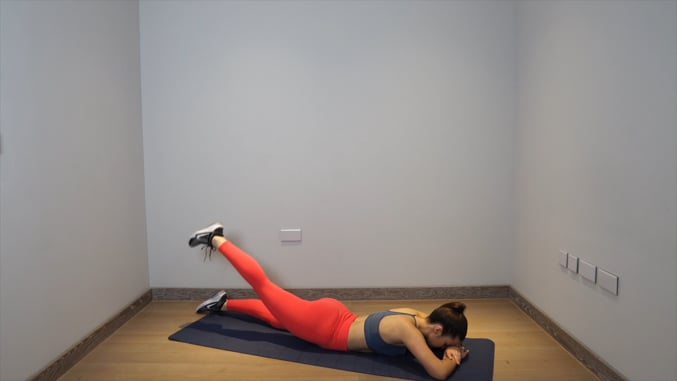
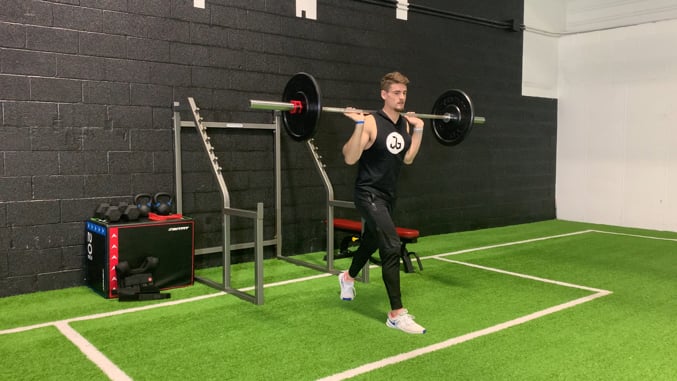
Barbell 90The main benefit of this exercise is that you don't need lots of equipment, just a barbell. Start in a standing position with a barbell on your shoulders, keeping your back straight at all times. Bend your knees slightly, stretch your glutes, and bend forward 90 degrees. Then inhale and return back to the starting position. In addition to the hamstrings, this exercise will also strengthen your glutes and back.
HyperextensionHyperextension is a great exercise for the hamstrings, as well as the muscles in the lower back and glutes. Sit comfortably on the hyperextension machine with your heels firmly resting on the platform at the bottom of the machine. Cross your arms over your chest or behind your head. Smoothly lower yourself down until you feel a stretch in the muscles of the lower back and hamstring while inhaling. Without delay at the bottom point, straighten to the level of the starting position, exhaling. Then return to the starting position. Throughout the exercise, keep your head in line with the body, keep your back straight.
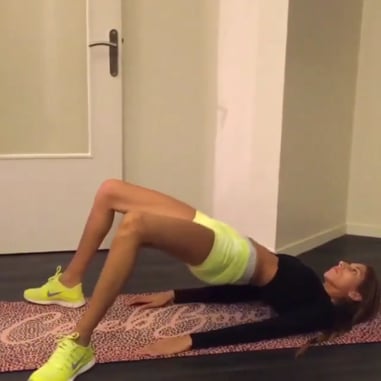
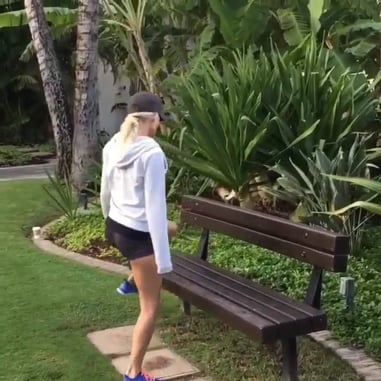
Tights upThis exercise can be performed on two horizontal bars on the playground, or simply put your feet on a chair or bench. We will describe the home workout option.
Sit on the floor with your feet on the chair. Raise the body on your hands so that the tights are up in the air. Bend your knees and lift your tights up so that your body is parallel to the floor. Do 7-8 reps.
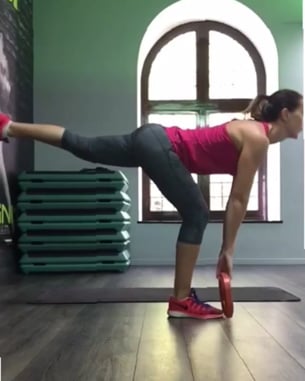
One foot and dumbbellsThis exercise works well but requires a nice sense of balance. Take dumbbells in your hands, take one leg back and do not lower it to the floor until the end of the exercise. After that get to the previous position. Repeat this exercise a few times until you are tired.
Final Word
Hamstrings might seem insignificant but it doesn’t mean that you can skip working on these muscles. In fact, strong hamstrings will protect you from many injuries. So do not hesitate and start working on these muscles right now.
Read more